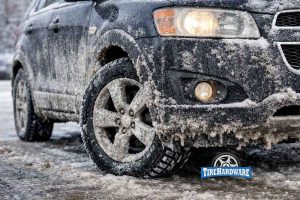

Winter is tough on vehicles, but your tires, wheels, and valve stems take the hardest beating when temperatures drop. Cold air reduces tire pressure, road salt accelerates corrosion, and ice or moisture can lead to slow leaks or TPMS warnings. The good news? With the right winter preparation, you can protect your tires, extend their lifespan, and keep your vehicle safer on the road.
In this guide, we break down the essential steps to winterize your tires, wheels, and hardware, including valve stems, TPMS sensors, and cold-weather maintenance products every driver should have.
❄️ Why Winter Takes a Toll on Tires and Wheels
Winter weather creates several issues that impact tire performance:
- Cold temperatures cause pressure loss — You can lose 1–2 PSI for every 10°F drop.
- Road salt and moisture trigger corrosion — This affects wheels, valve stems, and TPMS components.
- Rubber stiffens in the cold — Leading to cracks, leaks, or poor traction.
- Hidden damage is more likely to spread — Small cracks or old valve stems often fail in winter.
Understanding these factors makes it clear why winter prep is essential — especially if you drive in snow, ice, or extreme cold conditions.
🚗 Check & Adjust Your Tire Pressure More Frequently
Tire pressure naturally drops as temperatures fall. Underinflated tires lead to poor fuel efficiency, uneven tread wear, and unsafe handling.
Winter Tire Pressure Tips
- Check PSI at least once per month in the winter.
- Always test when tires are cold (before driving).
- Inflate to the pressure recommended on your door placard—not the tire sidewall.
- Keep a digital tire gauge handy for accuracy.
🔧 Inspect Your Valve Stems Before Winter Hits
Valve stems are one of the most overlooked components of tire care—and a common source of winter leaks.
Cold-Weather Valve Stem Problems
- Rubber stems can crack from temperature swings.
- Old stems dry out and leak around the base.
- Corroded or missing valve caps expose the core to moisture.
What to Do
- Replace old or dry-rotted valve stems before the season.
- Use high-quality rubber valve stems or heavy-duty options for larger vehicles.
- Add weather-resistant valve caps to protect the core from salt and slush.
TireHardware.com carries all major types including standard snap-in stems, high-pressure stems, and metal options for winter durability.
📡 Protect Your TPMS Sensors
Cold weather can trigger TPMS warnings, even when nothing is “wrong.”
Winter TPMS Tips
- Check tire pressure immediately after a warning—it’s usually a low PSI issue.
- Make sure TPMS valve stems are corrosion-free.
- Replace damaged sensor stems before freezing temperatures arrive.
Moisture buildup around TPMS components can cause failure, so keeping sensors clean and protected is key.
🛞 Keep Wheels Clean to Prevent Corrosion
Salt, sand, and deicers cling to wheels and accelerate rust—especially around valve holes, bead seats, and rim edges.
Winter Wheel Care Tips
- Rinse wheels weekly or after driving on salted roads.
- Apply a protective wheel sealant for extra corrosion resistance.
- Inspect rims for cracks, bubbling, or peeling coating.
If you notice bead corrosion, you may need professional cleaning or replacement before winter gets worse.
🧰 Stock Up on Winter Tire Tools & Maintenance Gear
A few inexpensive tools can make winter tire care much easier:
- Valve core tools
- Tire pressure gauges
- Valve stem pullers
- Replacement valve caps & cores
- TPMS rebuild kits
These tools help you stay ahead of leaks, low pressure issues, and winter wear.
❄️ Store & Swap Your Seasonal Tires Properly
If you use winter tires, storage matters.
Tips for Proper Seasonal Storage
- Store tires in a cool, dark place away from sunlight.
- Keep them off the ground if possible.
- Clean wheels and tires before storing to remove salt and grime.
- Swap to winter tires before the first major cold snap to avoid premature wear.
🛠️ When to Repair vs. Replace
Winter exposes damage fast. Here’s when it’s time for action:
Repairable
- Minor leaks from valve cores
- Small punctures (in the tread only)
- Replaceable valve stems
Replace
- Cracked or bent wheels
- Severe bead corrosion
- Tires with sidewall damage
- Valve stems that repeatedly leak
If you’re unsure, always err on the side of safety.
Final Thoughts
Winter driving puts major stress on your tires, wheels, and hardware—but a little preparation goes a long way. By checking tire pressure, replacing worn valve stems, protecting TPMS components, and keeping wheels clean, you can prevent winter breakdowns and improve your vehicle’s safety.
For high-quality tire hardware, valve stems, TPMS kits, and winter-ready tools, check out our selection here at TireHardware.com—your trusted source for professional-grade tire products.